
Electric utility operators and renewable energy facility managers are increasingly subject to secondary containment requirements for transformer oil. This article covers the regulatory framework, technical requirements, and practical solutions for transformer oil containment.
Regulatory Framework#
Transformer oil containment falls under multiple overlapping regulatory frameworks. Utility-scale transformers typically contain PCB-free mineral oil, sometimes up to 50,000+ gallons for large power transformers. Key regulations include:
- EPA 40 CFR Part 112 (SPCC Rule): Applies to facilities with total oil storage capacity exceeding 1,320 gallons that could discharge to navigable waters
- EPA 40 CFR Part 761 (PCB Regulations): Applies if transformer oil contains PCBs at or above 50 ppm
- NERC Standards: Reliability standards that indirectly address transformer protection including spill prevention
- State Environmental Regulations: Many states have additional requirements more stringent than federal minimums
Containment System Requirements#
Secondary containment for transformers must hold at least 110% of the largest single container volume. For a 5,000-gallon transformer, this means your containment system must hold at least 5,500 gallons. Options include:
Permanent Concrete Containment Pads#
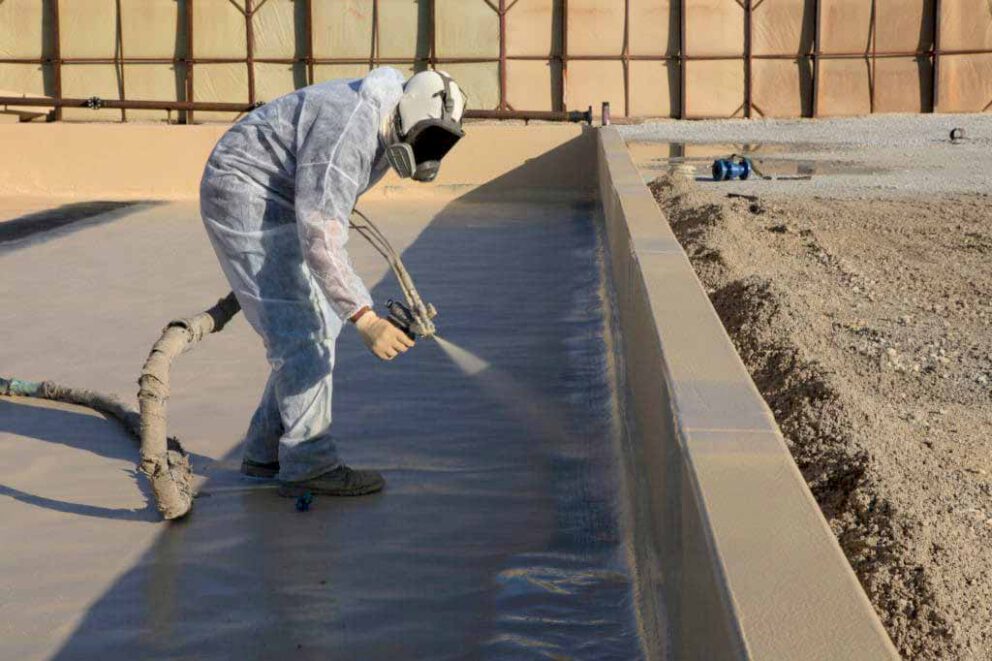
Traditional approach for permanent installations. Reinforced concrete with impermeable coating, designed to hold 110%+ of largest transformer capacity. Sloped toward a collection sump. Cost: $15,000-$80,000 depending on size and site conditions.
Foam Berm Systems#
Increasingly popular for substations, wind farm transformer pads, and solar inverter stations where permanent construction is impractical or prohibited. Polyurea-coated foam berms can be configured in custom shapes to fit pad geometries. Key advantages: no excavation required, deployed in hours, fully removable if site is decommissioned.
Modular Steel Containment Systems#
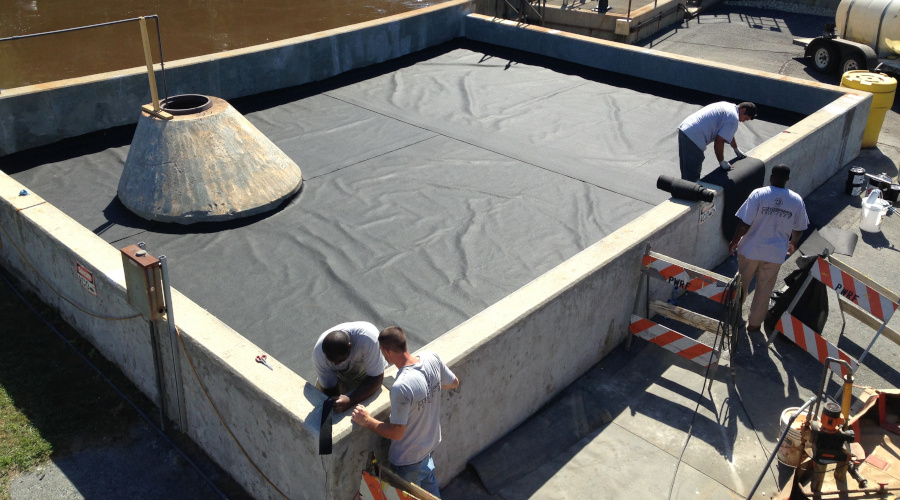
Bolted steel panels with liner provide intermediate durability between temporary and permanent systems. Good choice for temporary substations and construction staging.
Renewable Energy Applications#
The rapid growth of utility-scale solar and wind installations has created significant demand for flexible transformer containment solutions. A single 100 MW solar farm may have 30-50 pad-mount transformers, each requiring secondary containment. Foam berm systems with custom liner geometries are increasingly the preferred solution due to ease of installation during construction and lower cost versus poured concrete.