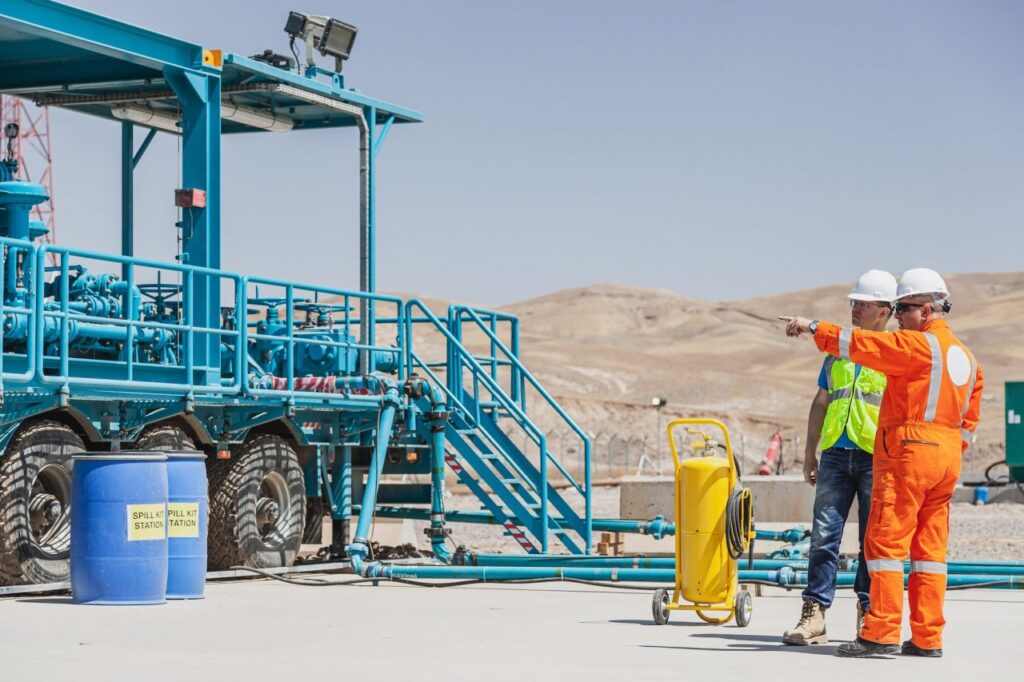
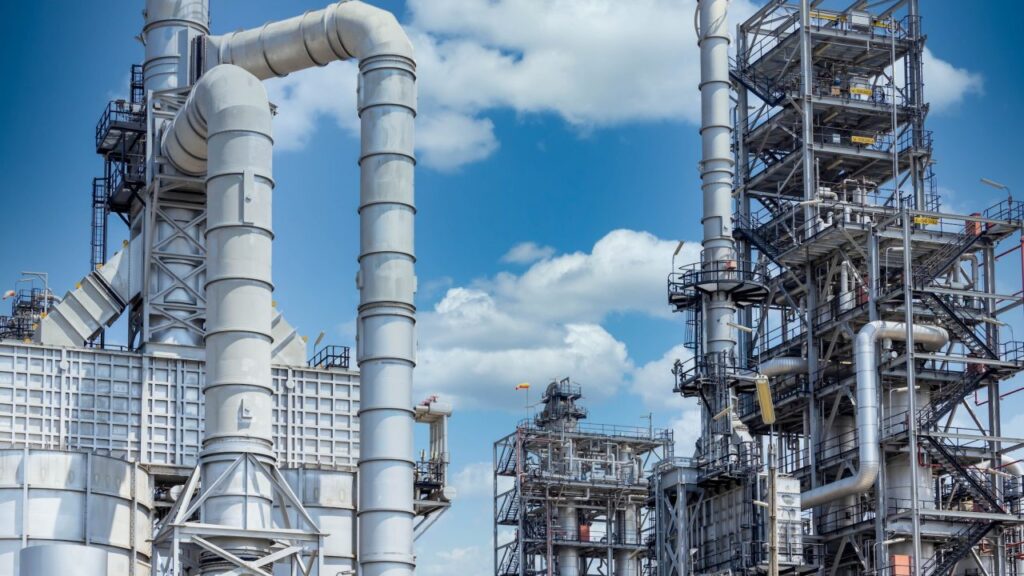
Oil containment is crucial for environmental protection and safety. Various regulations govern how oil must be contained to prevent spills and contamination. These restrictions vary depending on location and the potential environmental impact. Effective oil containment strategies include several methods, one of which is the use of polyurea coatings.
Regulatory Framework
Oil containment regulations protect water sources, soil, and air from contamination. Governments and environmental agencies set these rules to minimize the risk of oil spills. Regulations require facilities that store or handle oil to have containment measures in place. These measures must be sufficient to prevent oil from escaping into the environment.
The Environmental Protection Agency (EPA) enforces oil containment regulations under the Clean Water Act in the United States. Facilities must have Spill Prevention, Control, and Countermeasure (SPCC) plans. These plans outline how a facility will prevent oil spills and contain them if they occur. The SPCC requirements vary based on the size of the facility and the amount of oil stored.
The European Union has similar regulations under the Water Framework Directive. This directive requires member states to implement measures to prevent water pollution, including from oil spills. Facilities must adhere to national regulations, which implement the directive’s requirements.
Methods of Oil Containment
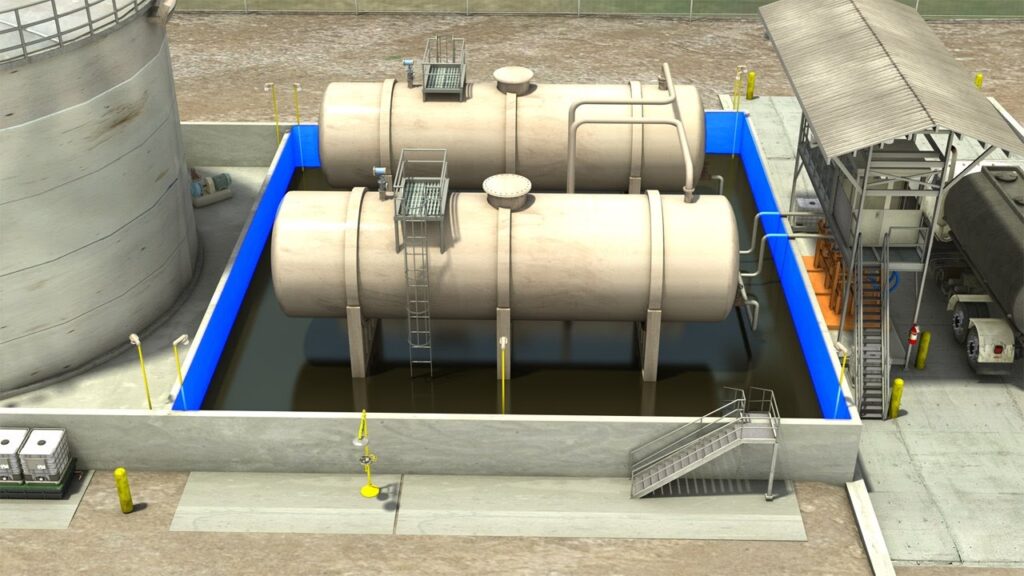
Oil containment involves various methods, each suited to different scenarios and environments. Secondary containment is a common approach involving barriers or systems that capture oil before it can escape into the environment. This method includes containment berms, dikes, and trenches.
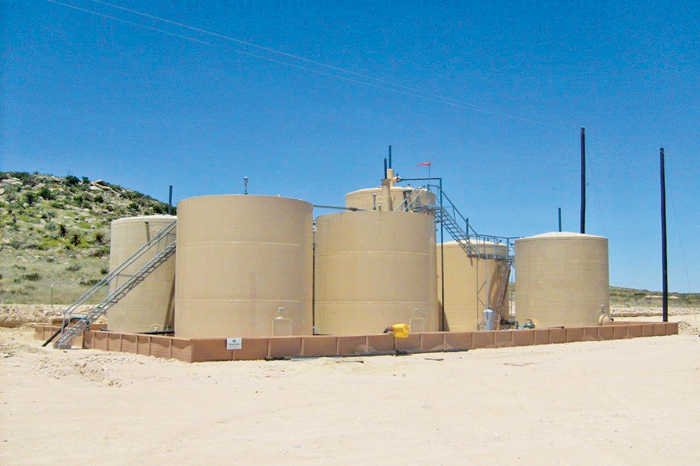
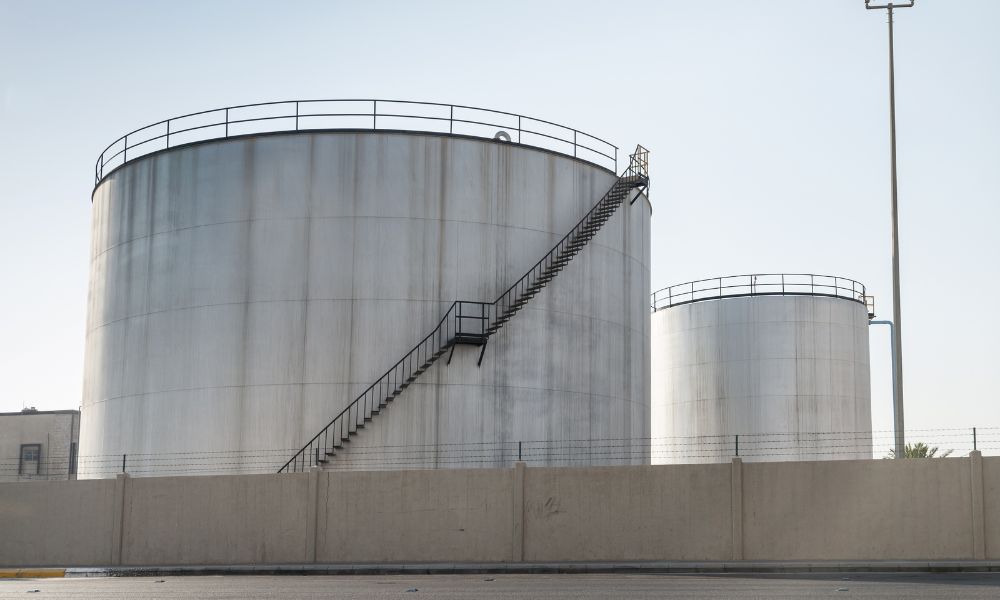
Containment berms are barriers placed around storage tanks or areas where oil is handled. These barriers can be made from materials like concrete or earth. They create a secondary containment area that holds any spilled oil. Dikes are similar to berms but are often larger and more permanent structures. They surround storage tanks or facilities, providing robust protection against spills.
Trenches are dug around storage areas to capture and direct spilled oil to a containment area. These trenches can be lined with impermeable materials to prevent oil from seeping into the ground. This method is particularly useful in areas where the terrain allows for easy excavation.
Polyurea in Oil Containment
Polyurea coatings offer a modern solution for oil containment. These coatings are applied to surfaces, creating a seamless, impermeable barrier. Polyurea is known for its durability and resistance to chemicals, making it ideal for containing oil. It can be applied to various surfaces, including concrete, steel, and earth, providing flexibility in containment strategies.
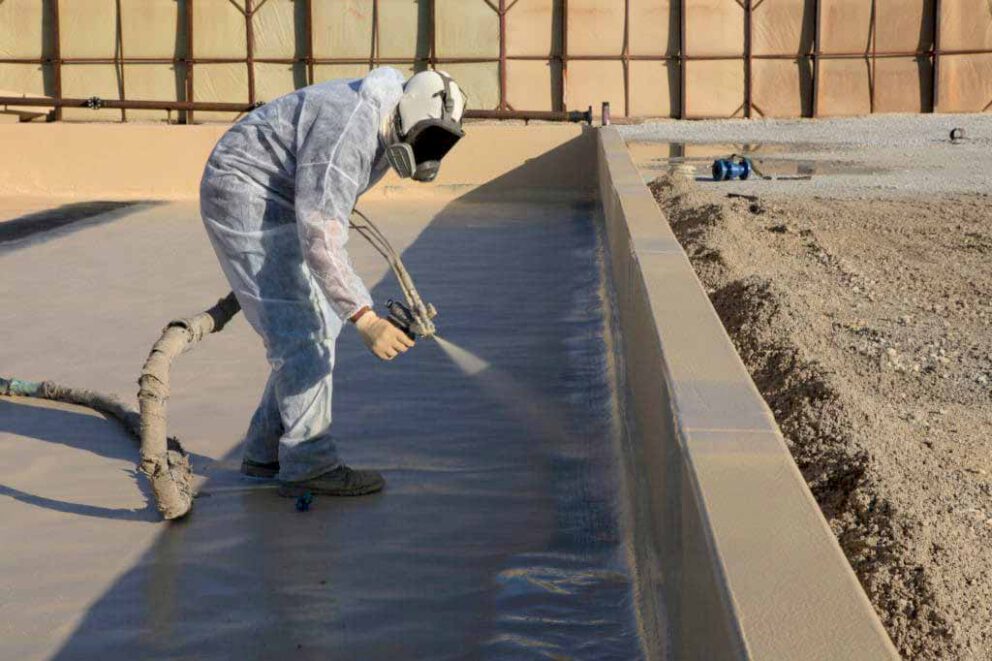
The application of polyurea involves spraying the material onto the surface. This process creates a thick, uniform coating that bonds with the substrate. Once cured, the polyurea forms a strong barrier that resists abrasion and chemicals. This makes it effective in preventing oil from penetrating the containment area.
Polyurea coatings are particularly useful in creating secondary containment systems. For example, a concrete containment berm can be coated with polyurea to enhance its impermeability. This ensures that any spilled oil remains within the containment area, preventing environmental contamination.
Case Studies and Applications
Several industries use polyurea for oil containment due to its effectiveness and versatility. In the oil and gas industry, polyurea coatings protect storage tanks and pipelines. These coatings prevent leaks and spills, ensuring compliance with regulatory requirements. They also extend the lifespan of the equipment by protecting it from corrosion and wear.
In the industrial sector, facilities handling large volumes of oil use polyurea-coated containment areas. These facilities include power plants, refineries, and manufacturing plants. The polyurea coatings provide a robust barrier that contains spills and prevents contamination.
The transportation industry also benefits from polyurea coatings. Tanker trucks and railcars transporting oil are coated with polyurea to prevent leaks. This ensures that oil remains contained during transit, reducing the risk of spills on roads and railways.
Environmental and Safety Considerations
Effective oil containment is crucial for protecting the environment and ensuring safety. Oil spills can have devastating effects on ecosystems, contaminating water sources and soil. Containment measures prevent these spills, reducing the risk of environmental damage.
Safety is another critical consideration. Oil spills can pose significant hazards to human health and safety. Containment measures protect workers and the public from exposure to harmful substances. By preventing spills, containment systems reduce the risk of fires and explosions.
Polyurea coatings enhance safety by providing reliable containment. Their durability ensures that containment systems remain effective over time. This reduces the need for frequent maintenance and repairs, lowering the risk of containment failure.
Conclusion
Oil containment is essential for protecting the environment and ensuring safety. Regulations require facilities to implement effective containment measures to prevent spills. Various methods, including berms, dikes, and trenches, provide robust containment solutions.
Polyurea coatings offer a modern approach to oil containment, providing durable and impermeable barriers. Their versatility allows them to be used in various applications, from storage tanks to transportation vehicles. Polyurea enhances the effectiveness of containment systems, ensuring compliance with regulatory requirements and protecting the environment.
Understanding the importance of oil containment and the role of polyurea coatings helps in developing effective strategies. By implementing robust containment measures, industries can minimize the risk of spills and ensure the safety of both the environment and the public.