Polyurea vs. PVC Liners: A Technical Comparison for Containment Applications

Choosing the right liner material for your secondary containment system is a critical decision that affects long-term performance, regulatory compliance, and total cost of ownership. This article provides a technical comparison of the two most widely used containment liner materials: polyurea coatings and PVC liners.

Material Properties Overview

Polyurea

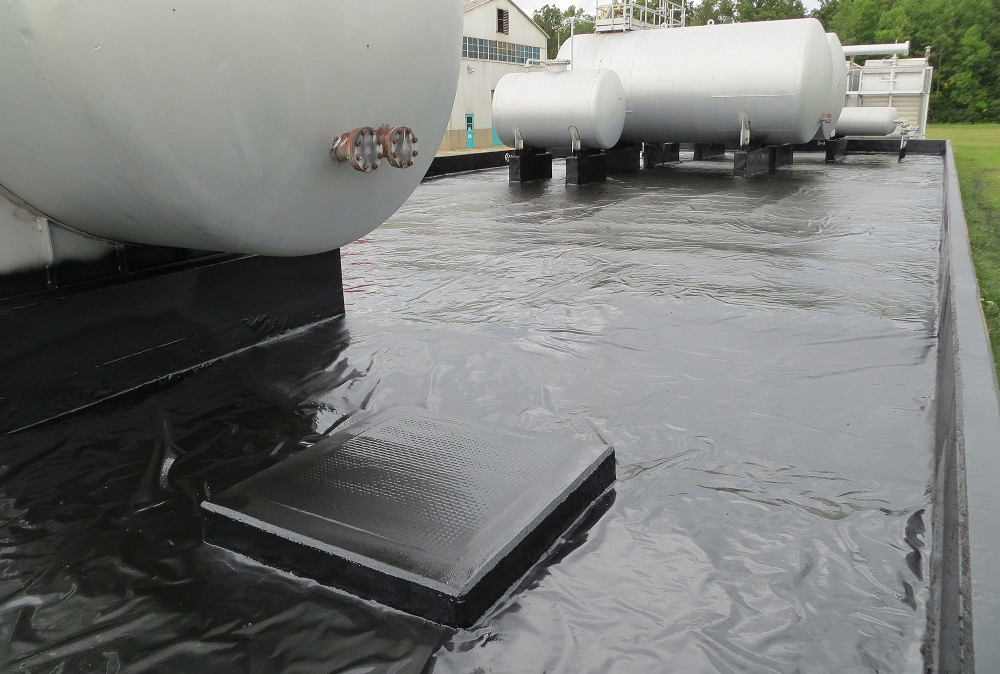
Polyurea is a type of elastomer formed by the reaction of an isocyanate component and a resin blend component through step-growth polymerization. For containment applications, spray-applied polyurea coatings are applied directly to foam or substrate surfaces, creating a seamless, monolithic membrane.

Key properties:

  • Shore A hardness: 85-95 (tunable)
  • Tensile strength: 2,000-4,500 psi
  • Elongation at break: 300-600%
  • Temperature range: -60°F to 350°F
  • Chemical resistance: Excellent to petroleum hydrocarbons, moderate to strong acids
  • UV resistance: Good to excellent (with UV stabilizers)

PVC (Polyvinyl Chloride)

PVC liners for containment applications are typically reinforced fabric panels welded together at seams. They are available in thicknesses from 20 mil to 80 mil for containment applications.

Key properties:

  • Tensile strength: 200-400 lb/in (depending on thickness)
  • Temperature range: -10°F to 150°F (unreinforced)
  • Chemical resistance: Good to petroleum hydrocarbons, poor to aromatic solvents
  • UV resistance: Moderate (degrades significantly over 3-5 years without UV stabilizers)

Performance Comparison

Seam Integrity

Polyurea wins decisively. Spray-applied polyurea creates a seamless coating with no joints or seams. PVC liners require heat-welded seams at every panel junction, which are the primary failure points. In our field studies, over 80% of PVC liner failures occurred at seams.

Puncture Resistance

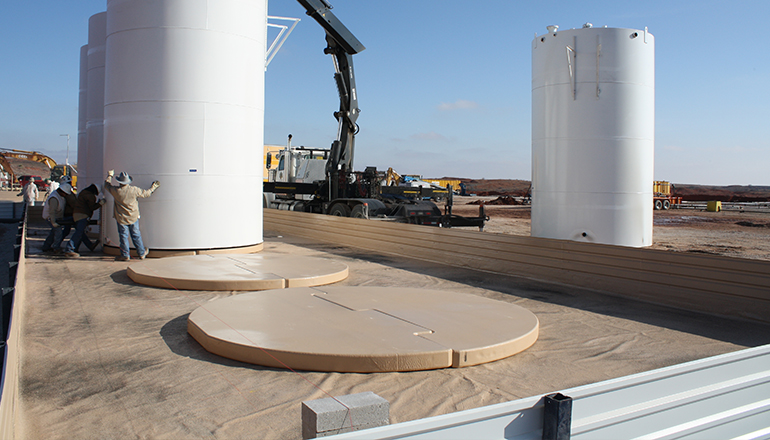
Polyurea is significantly more puncture-resistant. Standard containment polyurea resists puncture from typical job site debris (rocks, equipment feet) that routinely penetrate 40-mil PVC. For vehicle drive-over applications (foam berms), polyurea is the only viable choice.

Temperature Performance

Polyurea significantly outperforms PVC in both extreme cold and heat. PVC becomes brittle below 10°F and can crack under flex loading. Polyurea remains flexible at temperatures as low as -60°F, making it the only appropriate choice for Arctic and sub-Arctic applications.

Cost Comparison

PVC has lower upfront material costs ($0.40-$1.20/sq ft for 40-mil PVC vs. $3-8/sq ft for applied polyurea). However, when total lifecycle costs are considered over a 10-year period, polyurea typically proves more economical due to lower maintenance, repair, and replacement costs.

OCA Recommendation

For portable foam berm containment systems, drive-through containment areas, and cold-weather applications, OCA recommends polyurea-coated systems. For large-area liner applications with controlled environments and lower mechanical stress, properly installed PVC can be a cost-effective solution when budget constraints preclude polyurea.

Cold Weather Containment: Tips for Winter Operations in Northern Climates

As winter settles across the northern United States and Canada, oil containment operators face unique challenges that require specific preparation and equipment considerations. This article provides practical guidance for maintaining effective containment in cold weather conditions.

The Cold Weather Challenge

Cold weather affects containment systems in several ways that can compromise their effectiveness. Understanding these mechanisms is essential for maintaining compliance through winter months.

Material Brittleness

Many containment liner materials become brittle at low temperatures. Standard PVC liners can crack when flexed below 10°F, creating leakage pathways that may not be visible without careful inspection. Foam berm walls can lose their self-sealing properties if the foam becomes too rigid.

Ice Formation

Water accumulation in containment berms freezes and expands, potentially displacing liner materials or cracking containment walls. A berm full of ice provides little or no oil containment capacity, and the expansion forces can permanently deform containment walls.

Spill Response Complications

Cold temperatures dramatically increase crude oil and refined product viscosity, slowing the spread rate but also making cleanup significantly more difficult. Absorbent products perform poorly with highly viscous, cold oil.

Equipment Selection for Cold Climates

Liner Materials

Specify polyurea coatings formulated for cold temperature performance. Quality polyurea remains flexible to -60°F and maintains its elongation and tear resistance. Avoid PVC for any application where temperatures below 10°F are expected.

Foam Core Materials

Closed-cell polyisocyanurate foam maintains its structural properties to -100°F. Specify this foam formulation for all cold-climate containment applications. Standard expanded polystyrene (EPS) foam is not recommended for cold-climate applications.

Winter Maintenance Procedures

Implement the following winter maintenance procedures for all containment systems:

  1. Conduct daily visual inspections during periods of rapid temperature change
  2. Remove accumulated snow and ice from containment berms promptly
  3. Inspect liner seams and foam wall junctions after each freeze-thaw cycle
  4. Drain containment areas after precipitation events to prevent ice accumulation
  5. Test containment integrity with a water fill test after periods of extreme cold

Exploring Oil Containment Application Types

Exploring Oil Containment Application Types

Oil containment is crucial for preventing environmental contamination and ensuring safety. Different application types are used to manage and contain oil spills effectively. These methods include barriers, trenches, and advanced coatings like polyurea. Understanding these application types helps in selecting the most effective solutions for various scenarios.

Primary Containment

Primary containment involves the initial layer of protection that holds the oil within storage tanks, pipelines, or containers. This method ensures that oil does not escape during regular operations. Tanks and pipelines are designed to be leak-proof, using materials that can withstand the chemical properties of oil. Regular inspections and maintenance are critical to ensure the integrity of primary containment systems. These inspections help identify potential weak points and prevent leaks before they occur.

Secondary Containment

Secondary containment provides an additional layer of protection. It is designed to capture oil if primary containment fails. This method includes various structures and systems that surround the primary containment. For instance, a storage tank might be placed within a concrete berm. This berm acts as a secondary barrier, preventing spilled oil from spreading.

Another example of secondary containment is the use of dikes. These structures are built around storage areas and facilities to hold any leaked oil. Dikes are constructed using materials like earth, concrete, or metal, depending on the specific needs and environmental conditions. The design of these structures ensures they can contain a specified volume of oil, providing effective spill management.

Trenches and Sumps

Trenches and sumps are also used for oil containment. Trenches are dug around storage areas to direct spilled oil into sumps. Sumps are pits or containers that collect and hold the oil. This method ensures that the oil is confined to a specific area, preventing it from contaminating the surrounding environment. Trenches and sumps are particularly useful in areas where the terrain allows for easy excavation and installation.

The design and construction of trenches and sumps require careful planning. The materials used must be impermeable to prevent oil from seeping into the ground. Regular maintenance is necessary to ensure these structures remain effective. Cleaning and inspecting the trenches and sumps help in maintaining their capacity to contain spills.

Containment Liners

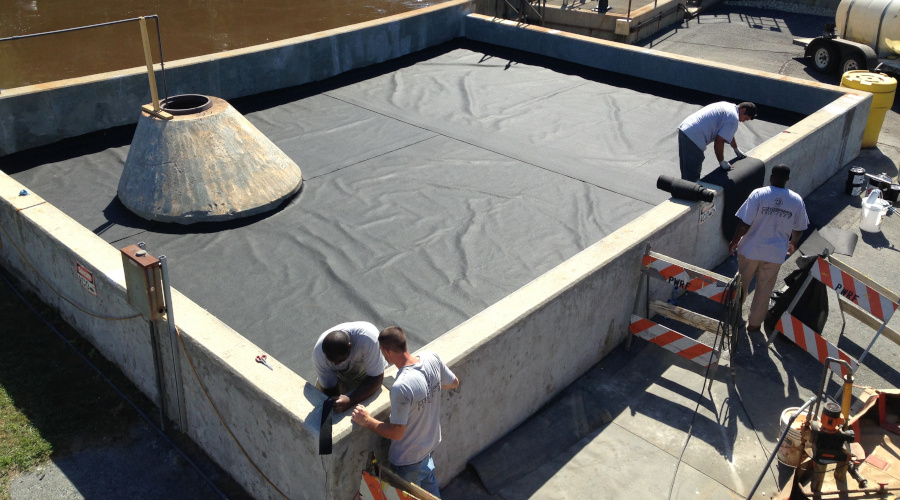
Containment liners are another effective method for oil containment. These liners are placed on the ground or within containment structures to create an impermeable barrier. Liners are made from materials like plastic, rubber, or specialized fabrics. They prevent oil from seeping into the soil or groundwater, providing an additional layer of protection.

The installation of containment liners involves spreading the material over the designated area and securing it in place. This process ensures that the liner covers all potential spill zones, creating a continuous barrier. The choice of material depends on the specific requirements of the containment site, including the type of oil and environmental conditions.

Polyurea Coatings

Polyurea coatings offer a modern solution for oil containment. These coatings create a seamless, durable barrier that can be applied to various surfaces. Polyurea is known for its chemical resistance and flexibility, making it ideal for containing oil. The application process involves spraying the polyurea onto the surface, where it quickly cures to form a protective layer.

Polyurea coatings are used in both primary and secondary containment systems. For example, storage tanks can be coated with polyurea to prevent leaks. Similarly, concrete berms and dikes can be enhanced with a polyurea coating to improve their impermeability. The seamless nature of polyurea ensures there are no weak points where oil could escape.

Maintenance and Monitoring

Effective oil containment requires regular maintenance and monitoring. This ensures that all containment systems function as intended. Regular inspections help identify and address potential issues before they become significant problems. Maintenance activities include checking for cracks, leaks, and other signs of wear and tear. Repairing any damage promptly helps maintain the integrity of the containment system.

Monitoring systems are also crucial for effective oil containment. These systems can include sensors and alarms that detect leaks or spills. Automated monitoring provides real-time data, allowing for a quick response to any incidents. This proactive approach helps minimize the environmental impact of oil spills.

Environmental and Safety Considerations

Oil containment is essential for protecting the environment and ensuring safety. Spills can have devastating effects on ecosystems, contaminating water sources and soil. Effective containment measures prevent these spills, reducing the risk of environmental damage.

Safety is another critical consideration. Oil spills can pose significant hazards to human health and safety. Containment measures protect workers and the public from exposure to harmful substances. By preventing spills, containment systems reduce the risk of fires and explosions.

Polyurea coatings enhance safety by providing reliable containment. Their durability ensures that containment systems remain effective over time. This reduces the need for frequent maintenance and repairs, lowering the risk of containment failure.

Case Studies and Applications

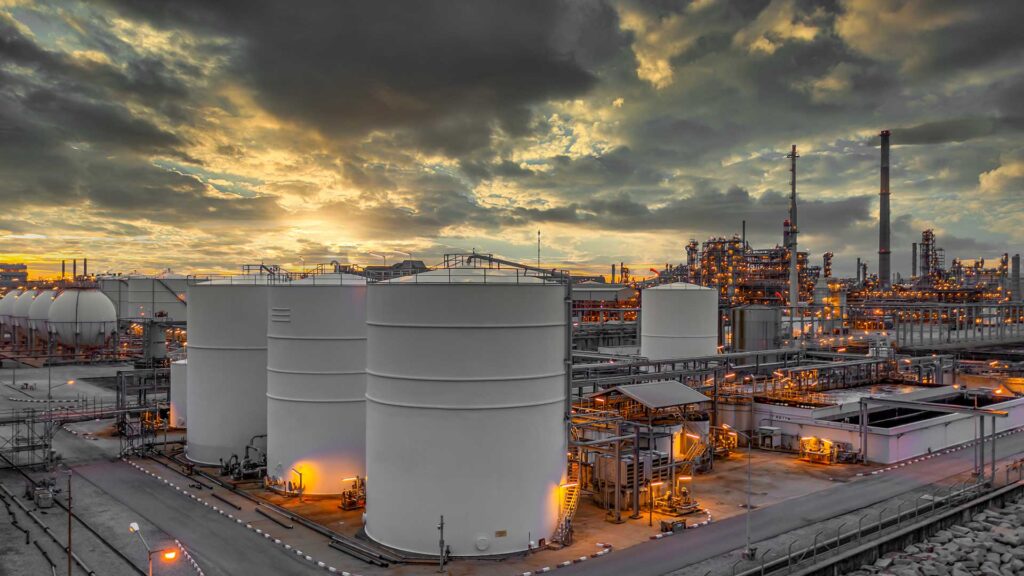
Industries such as oil and gas, transportation, and manufacturing rely heavily on effective oil containment methods. For instance, in the oil and gas industry, secondary containment systems around storage tanks and pipelines prevent environmental contamination. In transportation, tanker trucks and railcars equipped with containment measures ensure that oil remains contained during transit.

Manufacturing facilities also benefit from robust oil containment systems. These systems protect the facility and surrounding environment from potential spills during production and storage. Polyurea coatings, with their durability and quick curing time, are particularly valuable in these settings, providing reliable and long-lasting protection.

Conclusion

Oil containment is a critical component of environmental protection and safety. Various application types offer effective solutions for managing oil spills, including primary and secondary containment, trenches, sumps, containment liners, and polyurea coatings. Regular maintenance and monitoring ensure these systems function as intended, preventing environmental contamination and ensuring safety. Understanding the different oil containment methods helps in selecting the most suitable solution for each scenario, providing confidence in the ability to manage and contain oil spills effectively.

For complete oil containment solutions tailored to your operation, visit our homepage to explore our full range of oil containment systems and foam berm products.

Loading...

Get Free Expert Tips

Subscribe for oil containment best practices, regulatory updates & product news.

No spam. Unsubscribe anytime.