
A single storage tank failure can turn a routine operating day into an environmental incident, a regulatory investigation, and a six-figure cleanup bill, sometimes within hours. That’s not a worst-case exaggeration. It’s exactly the scenario secondary containment exists to prevent. When a primary tank leaks, cracks, or overflows, secondary containment is what stands between that failure and a discharge reaching soil, groundwater, or a nearby waterway.
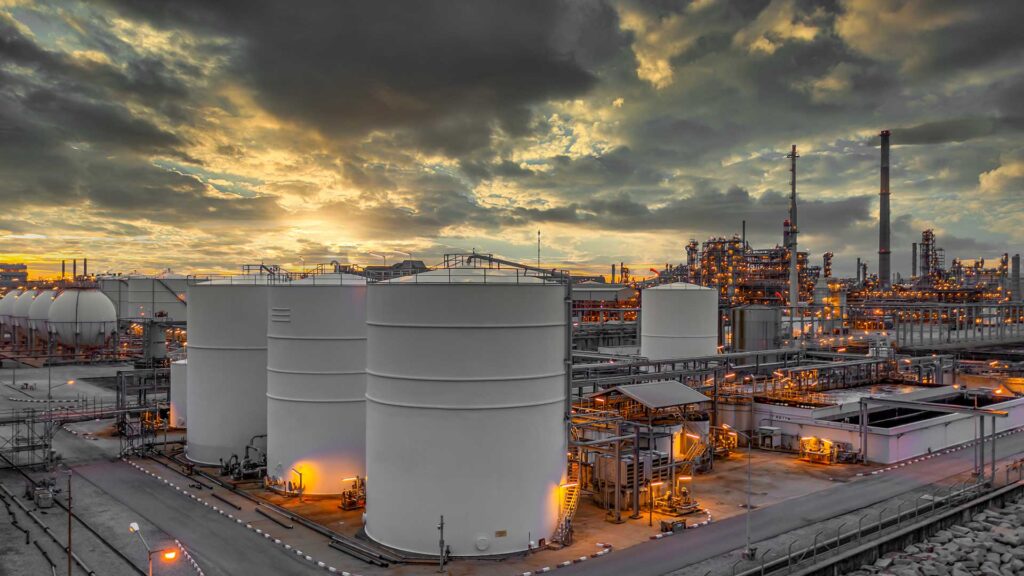
For any facility storing oil in bulk, whether that’s a fuel terminal, a fracking site, a power plant, or a small industrial yard with a handful of drums, secondary containment isn’t optional engineering polish. In the United States, it’s a federal requirement under EPA’s Spill Prevention, Control, and Countermeasure (SPCC) rule, and getting it wrong is one of the most common and most costly compliance failures facilities run into.
This guide breaks down what secondary containment actually is, when it’s legally required, how it’s sized, the different containment methods available, and what separates a system that passes inspection from one that quietly fails when it matters most.
What Is Secondary Containment?#
Secondary containment is a physical barrier or structure built around an oil storage tank to catch and hold any oil that escapes the primary container. Think of it as a backup system. The tank is the first line of defense, and the containment structure around it is the second, designed to stop a leak or spill from spreading before it can reach the surrounding environment.
Common examples include earthen dikes, concrete berms, containment liners, double-walled tanks, and containment sumps for smaller containers like drums or totes. The specific method varies by facility size, tank type, and site conditions, but the underlying purpose is always the same, hold the oil until it can be safely recovered.
Why Secondary Containment Matters#
Environmental protection. Oil that escapes containment doesn’t stay put. It moves with rain, groundwater flow, and gravity, often reaching a storm drain, creek, or wetland long before anyone notices the spill.
Regulatory compliance. Under 40 CFR Part 112, facilities that store more than 1,320 gallons of oil in aboveground containers, or more than 42,000 gallons in completely buried tanks, and where a spill could reasonably reach navigable waters, are required to prepare and implement an SPCC Plan. Secondary containment is one of the central requirements of that plan.
Financial risk. A discharge that reaches a waterway can trigger cleanup costs, Clean Water Act penalties, and EPA enforcement action. Properly sized and maintained containment is, in practical terms, one of the cheapest forms of insurance a facility can invest in.
Operational continuity. A containment failure doesn’t just cause environmental damage. It can shut down operations while cleanup and investigation take place.
Who Actually Needs Secondary Containment?#
Secondary containment requirements apply across a wide range of industries that store or handle oil in bulk:
- Oil exploration and production facilities, where drilling and extraction carry ongoing spill risk
- Fracking operations, which use and store large volumes of fluids that pose environmental risk if released
- Power generation facilities, particularly thermal power plants using oil as a primary or backup fuel
- Oil and gas marketing and distribution, including bulk storage and loading and unloading operations
- Renewable energy sites, where oil-based lubricants and equipment fluids still require containment despite the industry’s clean-energy focus
- Enhanced oil recovery operations, where extraction and transport both carry spill potential
If your facility falls into any of these categories and stores oil above the federal thresholds, secondary containment isn’t a “nice to have.” It’s a legal obligation.
The 110% Rule: How Containment Is Sized#
The most commonly misunderstood part of secondary containment compliance is sizing. Under SPCC regulations, containment must be sized to hold at least 110% of the volume of the largest single tank within the containment area, plus enough freeboard to account for precipitation where the containment is exposed to weather.
A critical detail that trips up a lot of facilities is that this rule is based on the largest individual tank, not the combined total of every tank in the containment area. Say a containment area holds three tanks: a 5,000-gallon, a 10,000-gallon, and a 20,000-gallon tank. The containment must hold at least 110% of the 20,000-gallon tank’s volume, not 110% of all three combined.
Two things have to be true for containment to meet this standard:
- Sufficient volume, meaning enough capacity to hold the largest tank’s full contents plus freeboard for rain or snowmelt
- Sufficient imperviousness, meaning the containment structure must be able to hold a discharge until it’s detected and cleaned up, which in practice means it has to resist oil penetration for days, not hours
This second point is where a lot of facilities fall short. A compacted earthen berm might look like it meets the volume requirement on paper, but if it isn’t lined with a chemically compatible material, oil can seep through it well before anyone identifies and responds to the spill.
Types of Secondary Containment Systems#
Different tank setups call for different containment approaches. The main categories include the following.
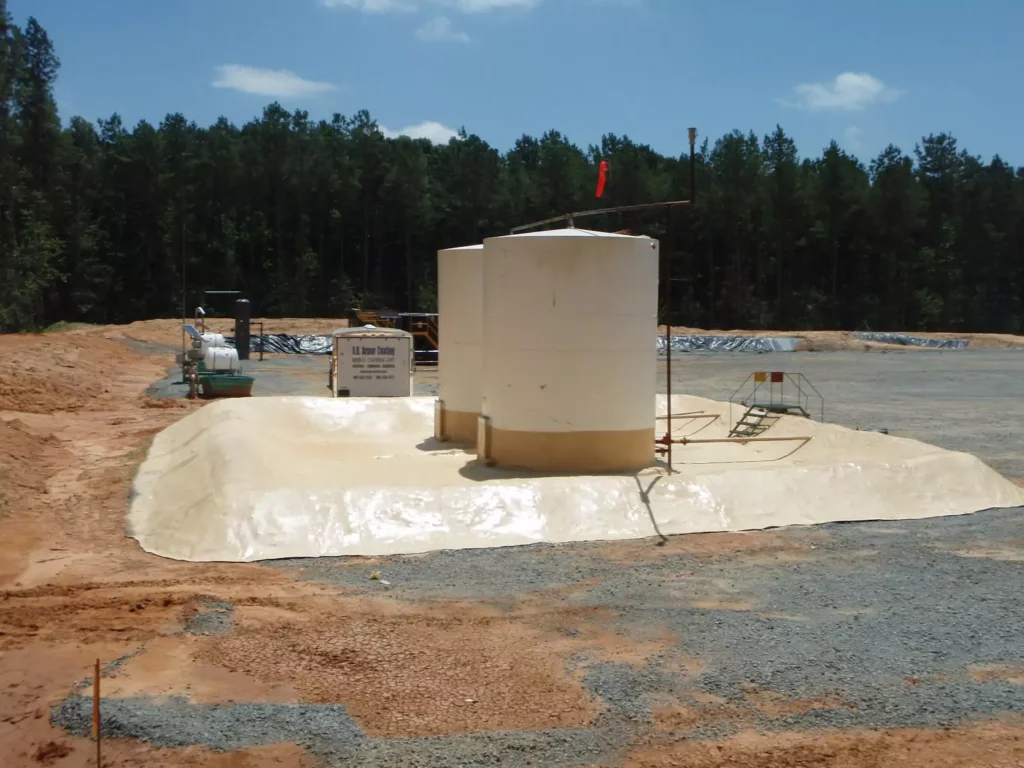
Dikes and berms. Earthen or concrete barriers built around a tank or group of tanks. These are common for large aboveground storage tank installations but need a proper liner system to meet the imperviousness standard, since bare soil alone rarely qualifies.
Containment liners. Geomembrane or synthetic liners installed within a dike, berm, or containment area to make it impervious to oil. Liner material has to be chemically compatible with the specific product being stored, since not all liners resist all types of oil equally well.
Double-walled tanks. Tanks built with an outer shell that itself acts as secondary containment, holding the full tank volume if the inner wall fails. These are common for smaller or portable installations where building a separate dike isn’t practical.
Containment pallets and sumps. Used for drums, totes, and smaller containers rather than bulk tanks. These are compact containment units designed to catch leaks or spills from individual containers without requiring a full berm system.
Portable containment berms. Flexible, deployable barriers used for temporary storage situations, spill response staging, or locations where permanent containment structures aren’t feasible.
Passive vs. Active Containment#
SPCC regulations distinguish between two categories of containment method.
Passive containment doesn’t require anyone to act in order to work. A properly built dike, lined berm, or fabricated containment sump is passive. It’s simply there, doing its job, whether or not staff are present. Regulators generally favor passive systems because they don’t depend on human response time during an emergency.
Active containment requires someone to deploy or activate it, such as a portable berm that has to be set up before it functions. Active systems can be useful for temporary or unusual storage situations, but they carry more risk, since they only work if someone remembers to use them correctly and in time.
Where possible, passive systems are the stronger long-term choice for permanent bulk storage installations.
Inspection, Maintenance, and Drainage Rules#
Secondary containment isn’t a build it once and forget it system. SPCC rules include specific operational requirements.
Drainage valves must stay closed. Any drainage valve on a containment area has to remain in the closed position at all times, except when actively and supervised while draining accumulated stormwater.
Water must be checked before draining. Before opening a drainage valve, accumulated water in the containment area has to be visually inspected for signs of oil, such as sheen, discoloration, or odor. If oil is present, it must be recovered before any water is released.
Regular integrity inspections. Containment structures, liners, and tank walls need periodic inspection to confirm they’re still structurally sound and haven’t degraded, cracked, or developed gaps that would compromise their imperviousness.
Precipitation accounting. For containment exposed to weather, freeboard calculations need to reflect realistic local precipitation data, not a generic assumption that may not hold up for the facility’s actual location.
Skipping these operational steps is one of the most common ways containment systems fail an inspection even when the original design was adequate.
Common Mistakes That Lead to SPCC Violations#
- Sizing containment based on the combined volume of all tanks instead of the single largest tank
- Using bare earthen berms without a compatible liner, assuming soil alone provides adequate imperviousness
- Leaving drainage valves open or unmonitored
- Failing to update containment plans after adding or removing tanks in a containment area
- Assuming water-only tanks are exempt without checking whether state or permit-level rules still apply
- Treating containment as a one-time construction project instead of an ongoing inspection and maintenance responsibility
How to Choose the Right Containment Approach#
There’s no single correct containment method. The right choice depends on several site-specific factors.
- Tank size and number. A single large tank has different containment needs than a cluster of smaller ones.
- Stored product type. Liner and tank materials need to be chemically compatible with the specific oil or fuel being stored.
- Site exposure to weather. Outdoor containment areas need freeboard calculations based on local precipitation.
- Permanence of the installation. Long-term bulk storage generally favors passive, permanent containment, while temporary or mobile operations may rely more on portable systems.
- Budget and maintenance capacity. A system that’s difficult to inspect or maintain is more likely to fail over time, regardless of how well it was designed initially.
Facilities that get this right typically involve someone with SPCC compliance experience early in the planning process, rather than treating containment as an afterthought once tanks are already installed.
Frequently Asked Questions#
What is secondary containment for oil storage tanks?
Secondary containment is a physical barrier or structure, such as a dike, berm, liner, or double-walled tank, built around an oil storage tank to catch and hold oil if the primary tank leaks, cracks, or overflows, preventing it from reaching soil, groundwater, or waterways.
How much oil storage requires secondary containment under EPA rules?
Facilities storing more than 1,320 gallons of oil in aboveground containers, or more than 42,000 gallons in completely buried tanks, are generally subject to the SPCC rule and its secondary containment requirements, provided a discharge could reasonably reach navigable waters.
What is the 110% rule for secondary containment?
Secondary containment must be sized to hold at least 110% of the volume of the largest single tank in the containment area, plus enough freeboard for precipitation, not 110% of the combined total of every tank present.
Can a bare earthen berm meet secondary containment requirements?
Rarely on its own. Containment must be sufficiently impervious to hold a discharge until it’s cleaned up, and compacted soil alone typically doesn’t meet that standard without a chemically compatible liner.
Do drums and totes need the same containment as bulk storage tanks?
Individual containers like drums generally don’t need separate containment systems for each unit. A shared containment area, such as a containment pallet or sump sized for the group, is usually sufficient under SPCC requirements.
How often should secondary containment systems be inspected?
Containment structures should be inspected regularly as part of routine facility operations, with particular attention to liner integrity, structural condition, and drainage valve status, since a system that was compliant at installation can fail compliance later due to wear, damage, or missed maintenance.
What happens if secondary containment fails during an oil spill?
An inadequate or failed containment system can allow oil to reach soil, groundwater, or waterways, triggering cleanup liability, EPA enforcement, and Clean Water Act penalties, in addition to the direct environmental damage caused by the discharge.