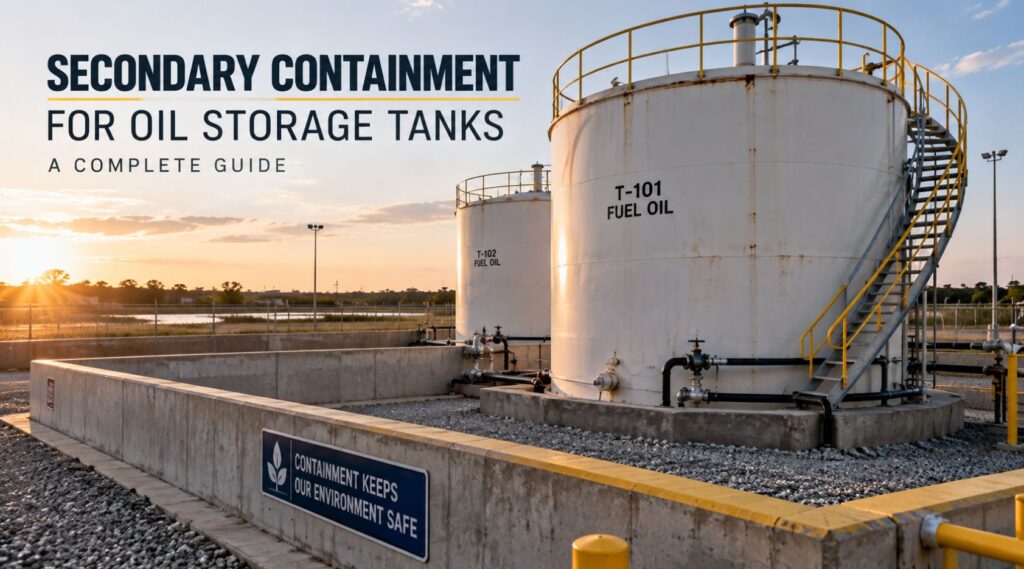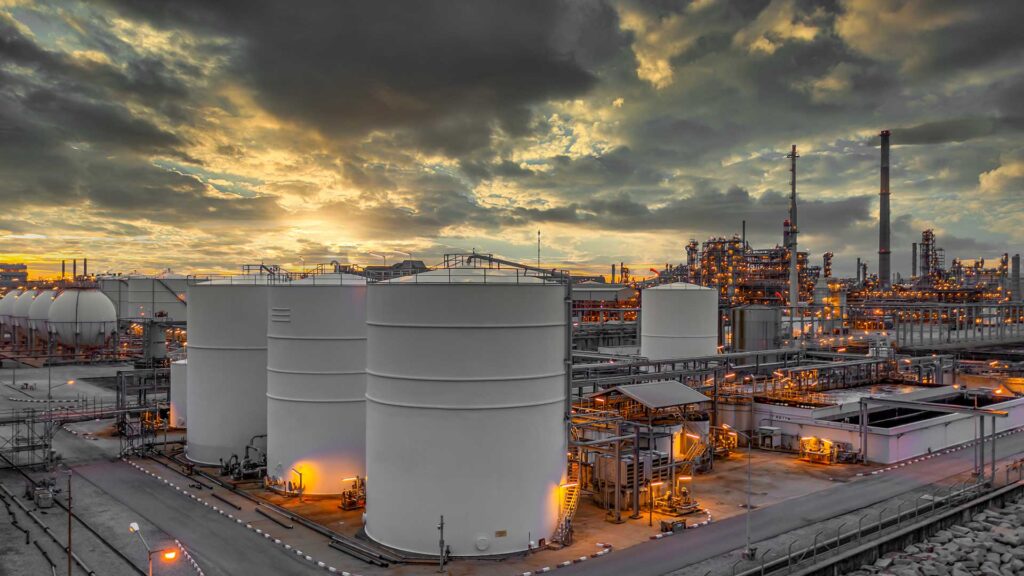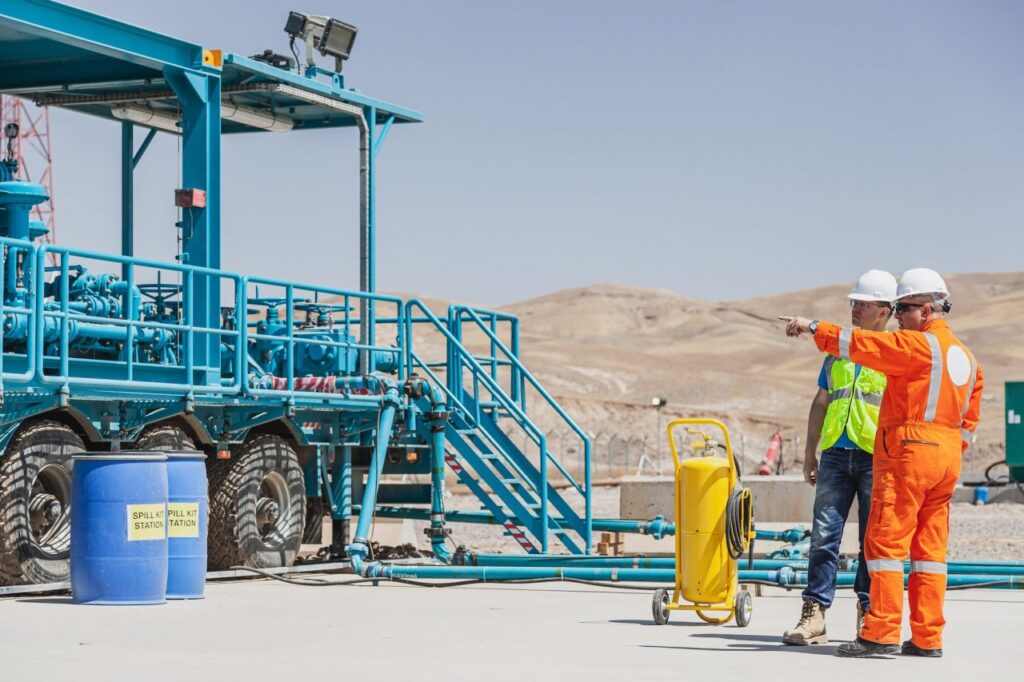

Containing oil is a part of handling risks and ensuring safety in industries dealing with oil and other hazardous substances. Effective containment plays a role in preventing leaks and spills that could harm the environment and damage a company’s reputation. A key strategy for achieving containment involves using coatings, which add an extra layer of protection to enhance the durability and efficiency of containment systems. This piece delves into the significance of oil containment coatings, their advantages and how they aid in upholding safety standards across sectors.
Getting to Know Oil Containment Coatings#
Oil containment coatings are applied to surfaces that encounter oil and other hazardous substances. They form a barrier that stops oil from seeping into these surfaces, reducing the risk of leaks or spills. These coatings are engineered to resist chemicals, wear and tear, and the harsh conditions typically present in settings. By creating a shield, they assist in containing spills and preventing oil from spreading to nearby areas.
One key motivation for utilizing containment coatings is safeguarding the integrity of containment systems. Prolonged exposure to oil and chemicals can weaken materials over time, leading to cracks, corrosion, or other forms of deterioration.
Coatings help prevent damage by sealing surfaces and creating a barrier, against chemical attacks. This not prolongs the life of containment systems. Also decreases the necessity for expensive repairs and replacements.
The Significance of Polyurea in Oil Containment#
Polyurea has become a choice for oil containment coatings because of its qualities. It is a spray-applied elastomer that quickly cures to form a flexible and seamless coating. When utilized on containment structures, polyurea establishes a barrier that’s resistant to oil, chemicals, and physical wear.
One of the benefits of polyurea is its ability to adhere to substrates like concrete, steel and wood. This versatility enables its application in types of containment systems ranging from storage tanks to containment dikes. The seamless nature of polyurea coatings also ensures there are no spots where leaks could potentially happen. This aspect is especially crucial in areas where containment plays a role in preventing pollution.
Another key feature of polyurea is its flexibility. Containment systems often undergo movements or expansions due, to temperature fluctuations ground shifts or other factors. The flexibility of polyurea allows it to adapt to these changes without developing cracks or compromising its qualities.
Ensuring the integrity and effectiveness of the containment system remains intact and functional in conditions is crucial.
Advantages of Using Oil Containment Coatings#
The utilization of oil containment coatings brings advantages that enhance the safety and efficiency of containment systems. Firstly these coatings offer a layer of defense, against harm. Preventing oil leakage into the soil or water coatings help protect the environment and adhere to requirements.
Furthermore, coatings boost the longevity of containment systems. By shielding the underlying materials from chemical corrosion and physical damage coatings prolong the systems lifespan thereby reducing maintenance needs and replacement costs. This does not save money. Also decreases downtime enabling operations to run smoothly without interruptions.
Another advantage of using containment coatings is their ease of application. Modern coatings like polyurea can be applied swiftly and effectively in to reach areas. This makes them a practical choice for both construction and upgrading existing containment systems. The quick curing time of polyurea allows the coated surface to be operational immediately further minimizing downtime.
Apart from their properties, containment coatings can also enhance the aesthetics of containment systems.
Coatings play a role in giving a consistent appearance and enhancing the professional look of a facility. This is crucial in industries where maintaining an image and reputation holds importance.
Various industries utilize oil containment coatings for applications. In the oil and gas sector these coatings are commonly applied to storage tanks, pipelines and containment dikes to prevent any leaks or spills. By safeguarding these systems the coatings help maintain efficiency and safety even in challenging conditions.
In the chemical industry containment coatings serve to shield storage areas and equipment from chemical corrosion. Acting as a barrier these coatings prevent substances from causing harm to the underlying materials thereby reducing the risks of leaks or spills. This becomes particularly critical in facilities handling chemicals where effective containment’s essential for averting environmental harm and ensuring worker safety.
Furthermore the transportation sector reaps benefits, from utilizing containment coatings on tanker trucks, rail cars and shipping containers transporting oil and chemicals. These protective coatings are applied to prevent leaks or spills during transportation, ensuring that the cargo remains secure while minimizing risks.
In addition, to these sectors containment coatings are also utilized in wastewater treatment facilities, power plants and other industrial environments where containment is crucial. The adaptability and resilience of these coatings serve as an asset in safeguarding the environment and ensuring the dependability of containment systems.
In Summary
Oil containment coatings play a role in protection and ensuring the safety and regulatory compliance of industrial activities. By offering a shield these coatings help prevent leaks and spills uphold the structural strength of containment systems and lessen the need for expensive maintenance and repairs. Specifically polyurea provides an dependable solution, for containment by bonding with surfaces and enduring harsh conditions. As industries strive to improve safety measures and preserve the environment the utilization of oil containment coatings will continue to be an aspect of containment strategies.
Learn more about our comprehensive oil containment systems and discover why industry leaders trust our polyurea-coated foam berm solutions for EPA-compliant secondary containment.