
If you operate a facility that stores oil aboveground in containers of 55 gallons or more, and your total storage capacity exceeds 1,320 gallons, you are very likely required to have a Spill Prevention, Control, and Countermeasure (SPCC) plan under EPA regulations. This guide walks small facility operators through the basics.
What Is an SPCC Plan?#
An SPCC plan is a written document that describes how your facility will prevent oil spills from reaching navigable waters or adjoining shorelines, and what you will do if a spill occurs. It is required under the Clean Water Act (33 U.S.C. § 1321) and is detailed in 40 CFR Part 112.
Do You Need One?#
You need an SPCC plan if ALL of the following apply:
- Your facility is non-transportation-related (not a vessel, pipeline, or vehicle)
- You store oil in aboveground containers totaling more than 1,320 gallons, OR you have a single underground storage tank larger than 42,000 gallons
- Your facility could reasonably be expected to discharge oil into or upon navigable waters or adjoining shorelines
Tier System: What Type of Plan Do You Need?#
Qualified Facility (Tier I)#
Facilities with total aboveground storage of 10,000 gallons or less AND no single container larger than 5,000 gallons AND a clean spill record may qualify for a self-certified Tier I plan. No Professional Engineer stamp is required, but you must follow EPA’s template precisely.
Qualified Facility (Tier II)#
Facilities with total aboveground storage between 10,000 and 42,000 gallons may prepare their own plan but must have it certified by a licensed Professional Engineer.
Full SPCC Plan#
Facilities with total aboveground storage exceeding 42,000 gallons must have a Professional Engineer prepare and certify the full plan.
Key Plan Elements#
Regardless of tier, all SPCC plans must include: facility description and layout, storage container inventory, secondary containment description and calculations, inspection and testing procedures, personnel training program, spill response procedures, and management approval signatures.
Secondary Containment Requirements#
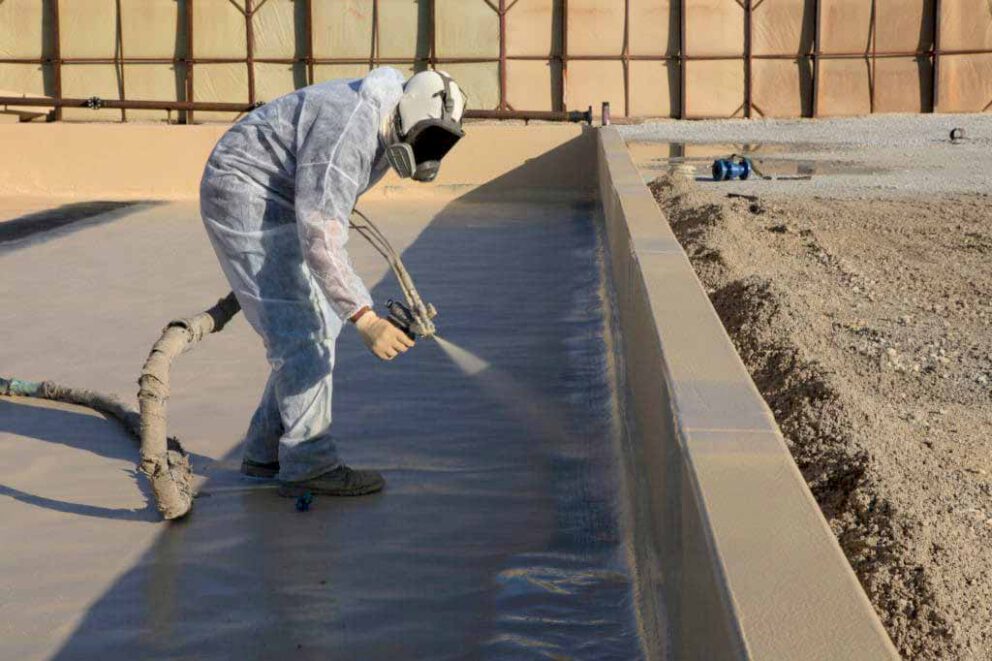
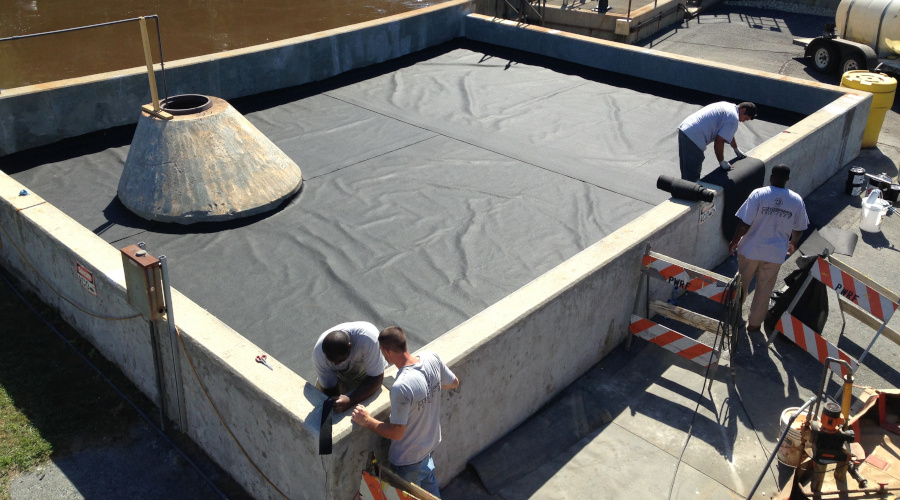
Every oil storage container must have secondary containment capable of holding 110% of the largest container’s capacity. This is typically achieved through berms, dikes, or impervious surfaces. Foam berm systems are a cost-effective compliant solution for many facilities, particularly those with mobile equipment or multiple storage locations.
How OCA Can Help#
The Oil Containment Association offers SPCC plan development services through our network of certified member consultants. We also offer free initial consultations to help facility operators determine their compliance requirements. Contact us at compliance@oilcontainment.org or call 1-800-610-1080.