EPA enforcement activities related to oil containment and SPCC compliance have intensified in recent years, with 2025 seeing a 23% increase in SPCC-related enforcement actions compared to 2024. Industrial facility operators should take note of current enforcement priorities and ensure their containment systems meet regulatory requirements.
Recent Enforcement Actions
Recent enforcement actions provide insight into where regulators are focusing their attention:
Manufacturing Facilities
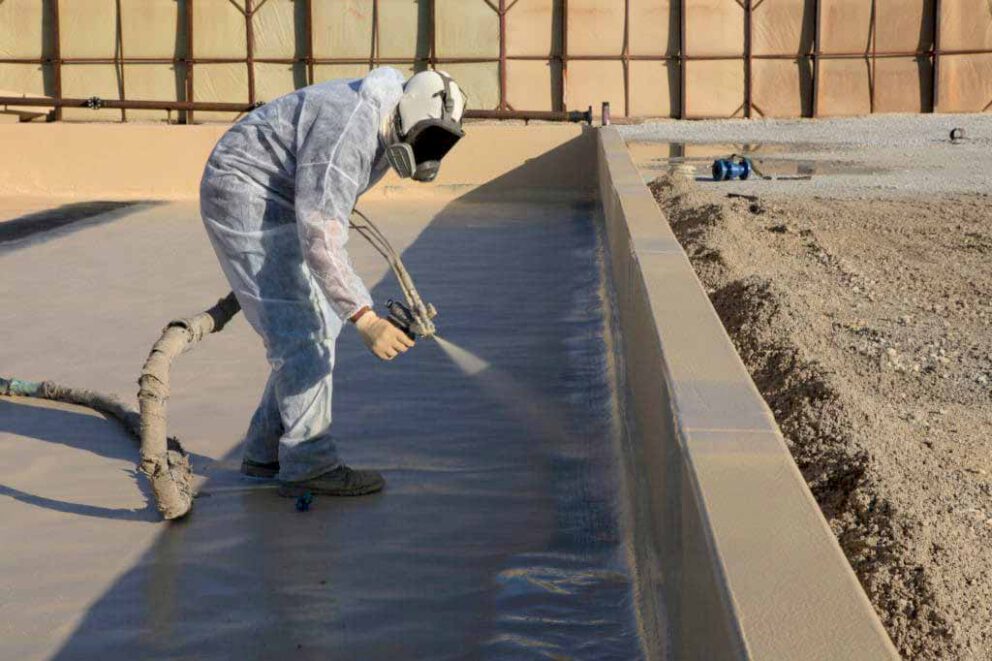
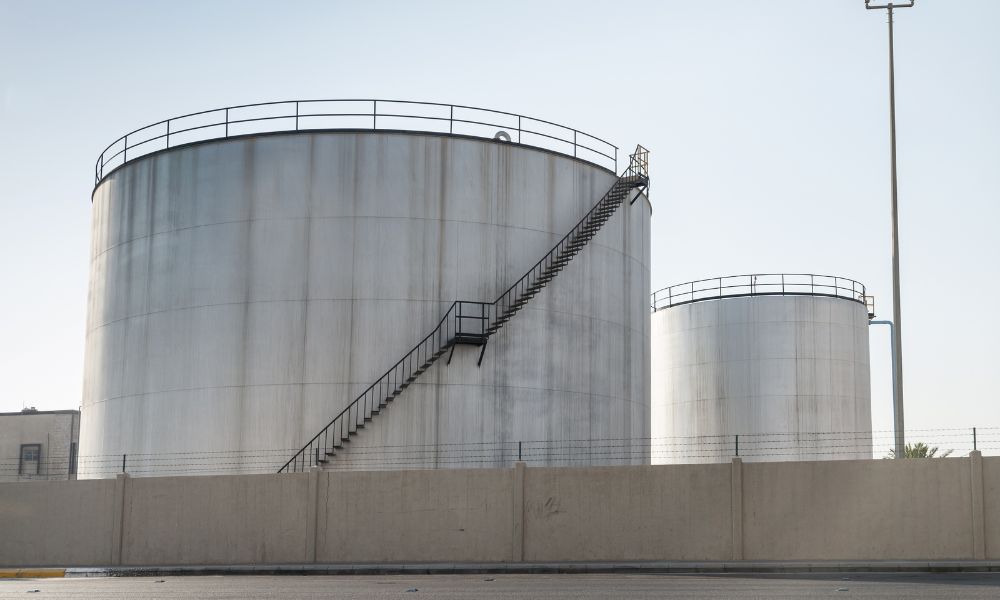
In Q4 2025, EPA Region 5 announced a $2.1 million penalty against a Michigan automotive parts manufacturer for failure to maintain adequate secondary containment for hydraulic oil storage. The violation involved secondary containment structures that had deteriorated to the point of being non-functional, and an SPCC plan that had not been updated in seven years.
Transportation Facilities
A multistate trucking company agreed to pay $1.4 million and implement a comprehensive environmental management system after EPA Region 3 inspectors found multiple SPCC violations across 12 terminal facilities. Primary violations included undersized containment berms and missing inspection records.
Common Compliance Deficiencies
Based on EPA inspection data for 2025, the most common SPCC deficiencies at industrial facilities include: secondary containment structures with inadequate capacity (37% of violations), missing or inadequate inspection records (29%), outdated SPCC plans not reflecting current facility conditions (18%), inadequate drainage controls (11%), and insufficient personnel training documentation (5%).
Self-Audit Checklist
Facility operators should conduct a self-audit addressing the following questions at minimum:
- Has your SPCC plan been amended to reflect all facility modifications in the past 12 months?
- Are all secondary containment structures intact and at their designed capacity?
- Are inspection records current and properly filed?
- Have all oil-handling personnel received documented SPCC training in the past 12 months?
- Are emergency contact and spill response procedures current?